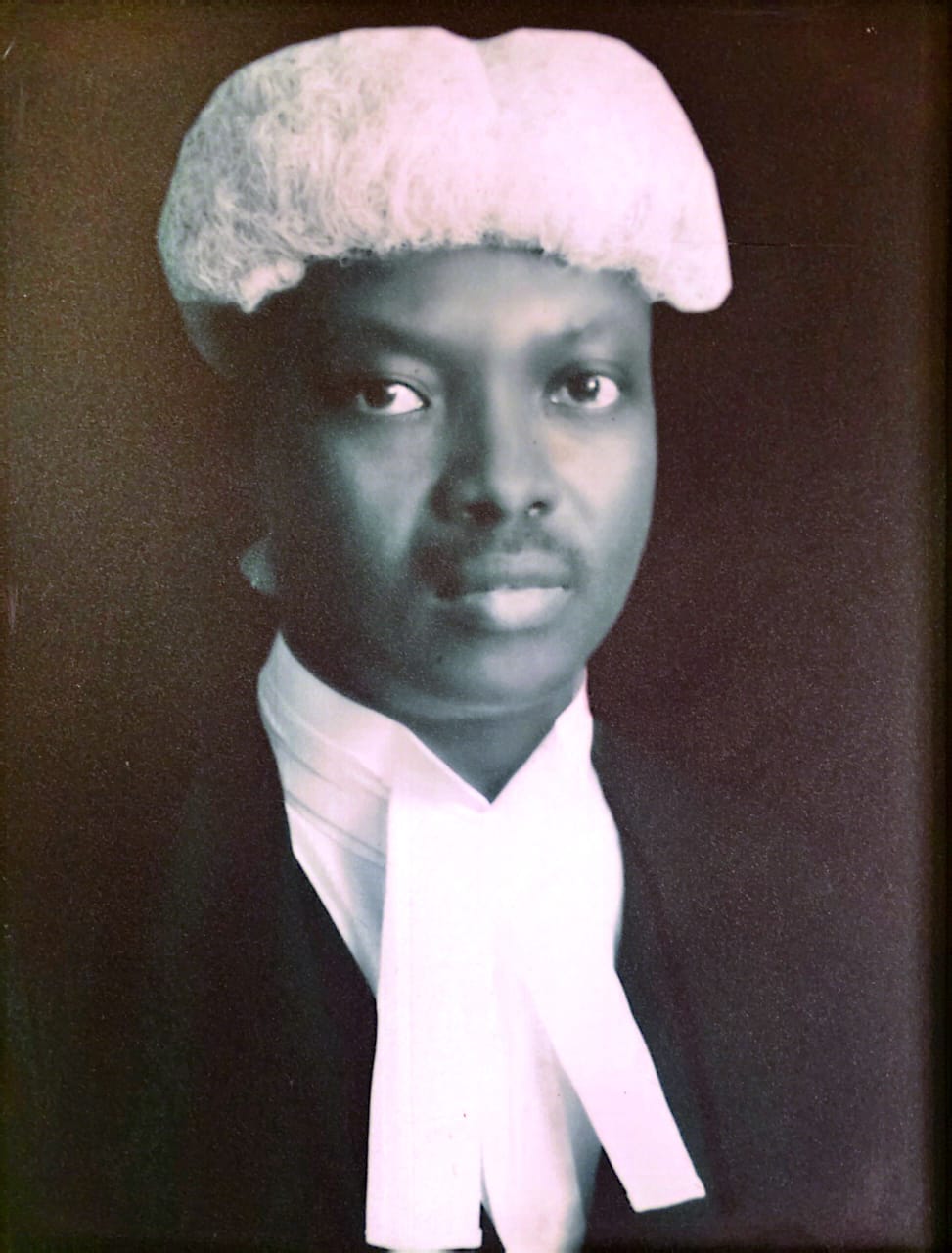
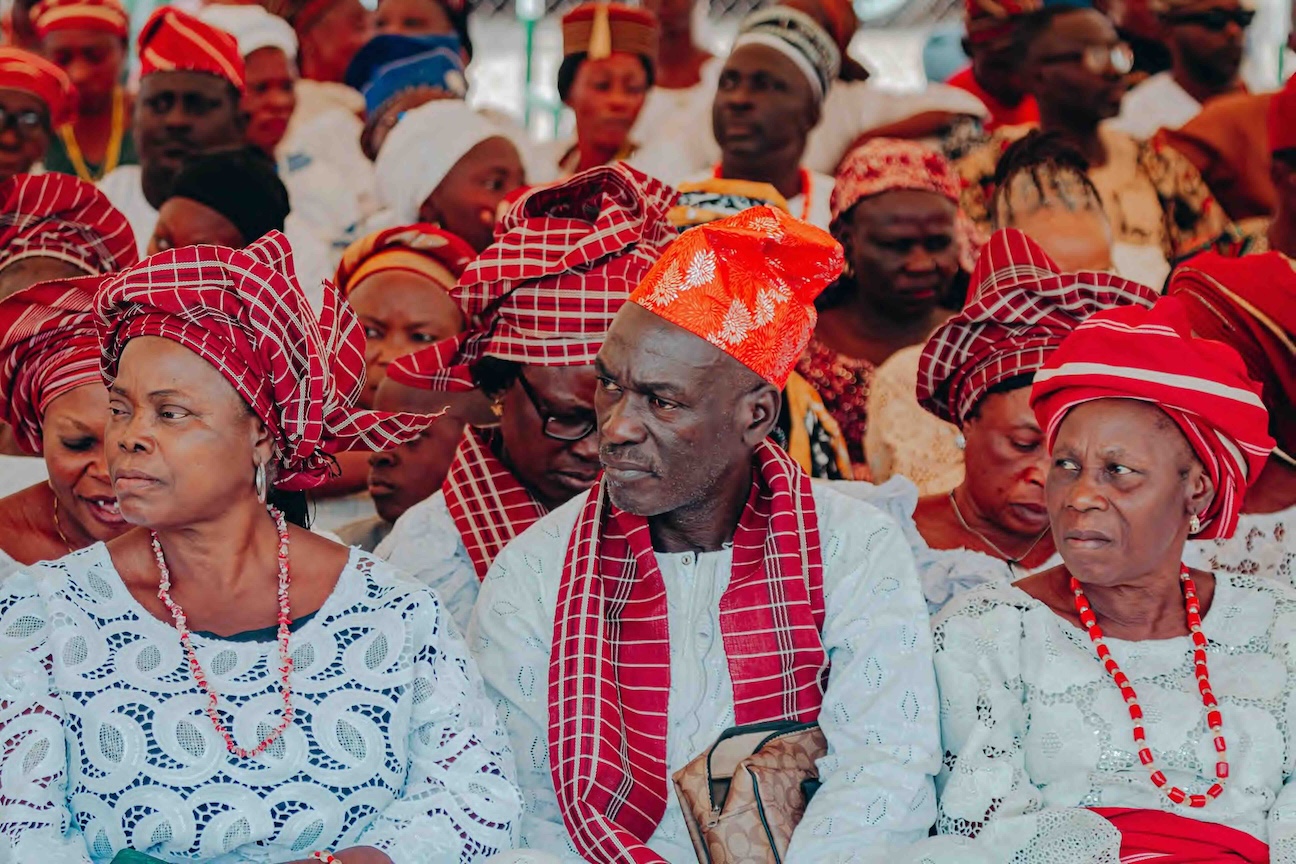
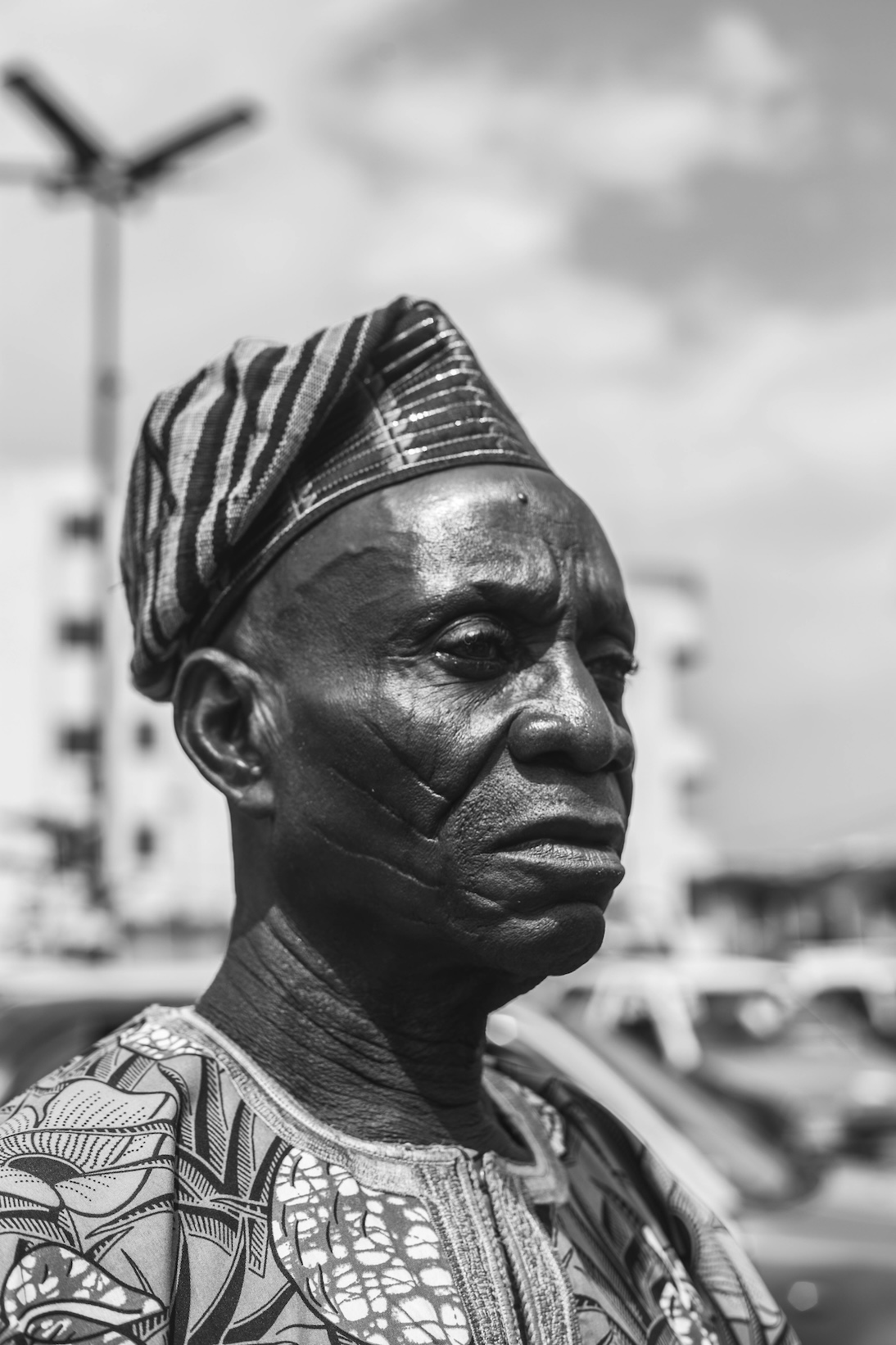
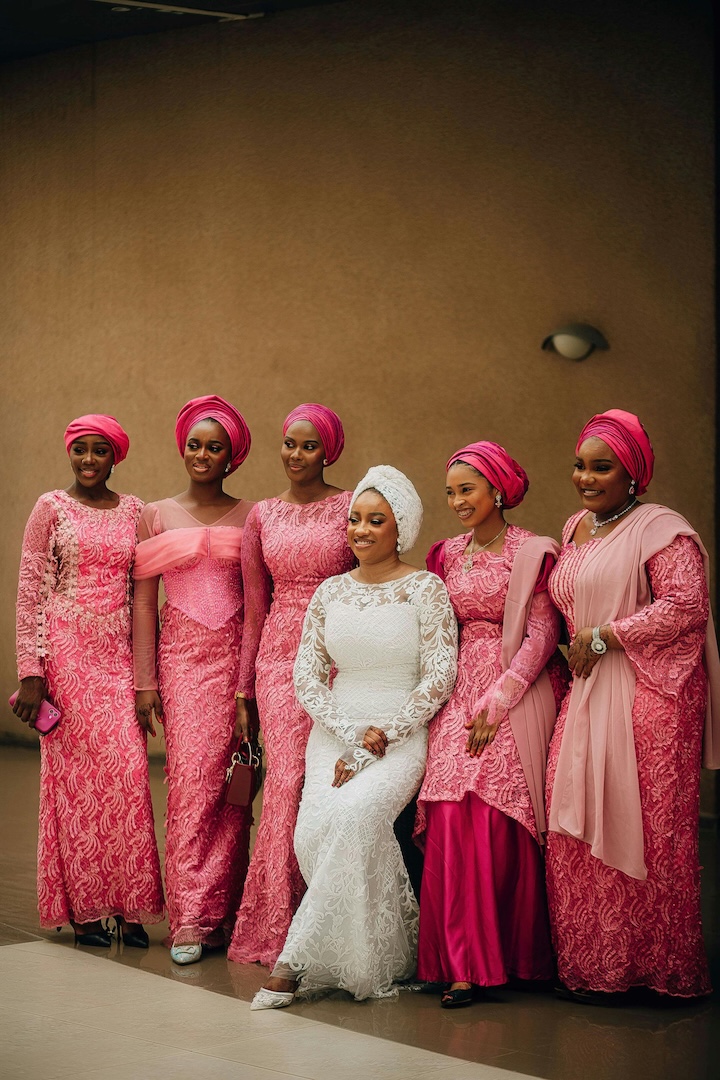
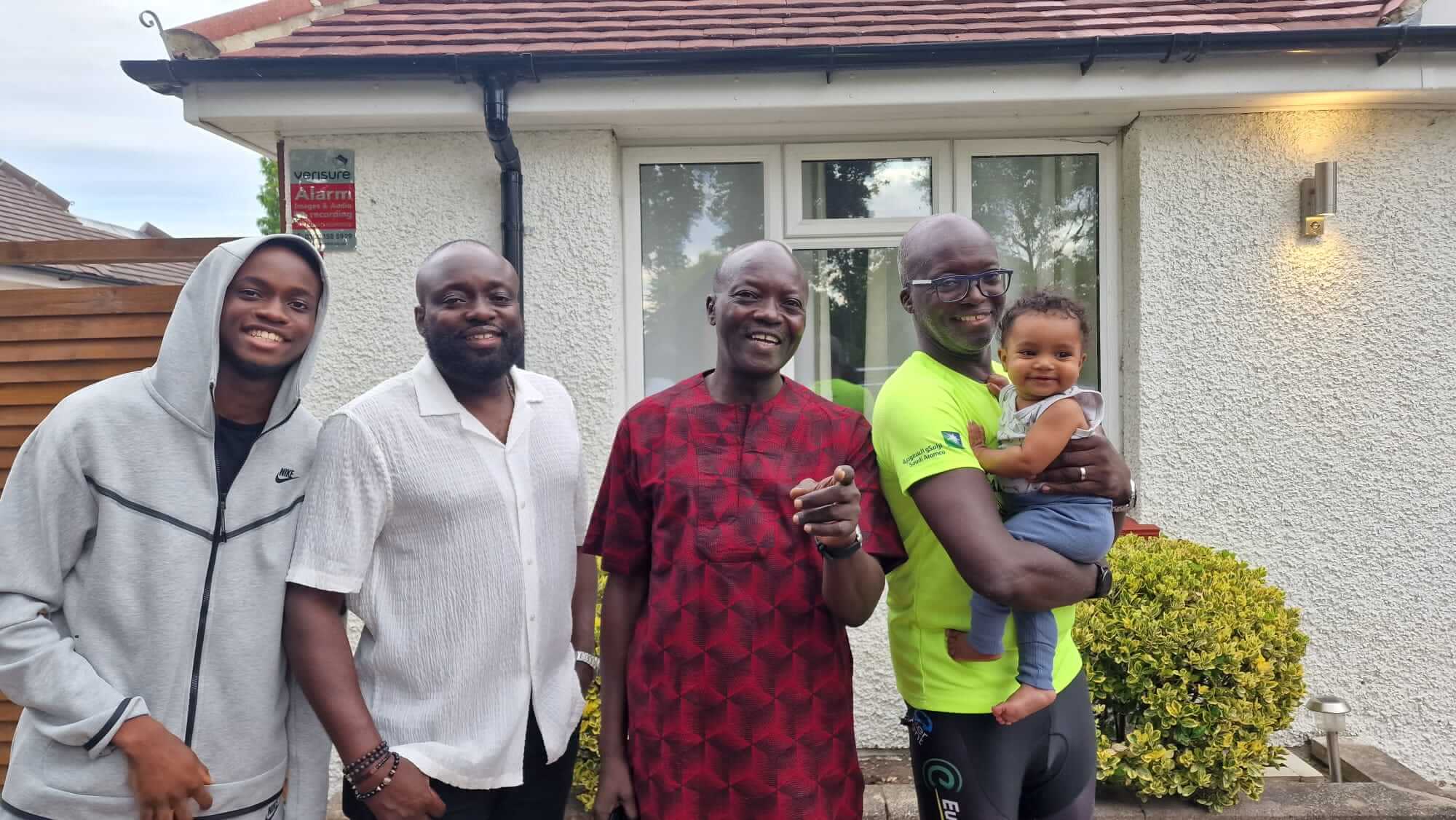
This photograph, older in its quality and composition than the others in this archive, captures what appears to be a formal occasion attended by senior members of the Onigbanjo family. The suits and traditional attire worn by the subjects, combined with the formal arrangement of the group, suggest a ceremony...
Show More
This photograph, older in its quality and composition than the others in this archive, captures what appears to be a formal occasion attended by senior members of the Onigbanjo family. The suits and traditional attire worn by the subjects, combined with the formal arrangement of the group, suggest a ceremony of significance — perhaps a burial, a chieftaincy event, or a family council gathering. The presence of the elders in any Yoruba family is not ceremonial. It is structural. They are the living connection between the documented past and the living present, the ones who hold in memory the names, dates and stories that no record has yet captured. In the Onigbanjo family, it is the elders who have preserved the knowledge of the Sheik’s 13 wives, the branches of his 37 children, and the oral traditions — including the Oríkì — that give the family its spiritual and cultural identity. This image is therefore not merely historical. It is a reminder that every name currently being added to this archive was once carried in the memory of someone like the men in this photograph.
Show Less